


YoYa Star: On Air
4.427.00 Reviews
App Specs
- Version
- 1.2
- Updated On
- License
- Free
- Downloads
- 50,000+
- Developer
- YoYa World
- Categories
- Casual
- Platform
- Android
Screenshots
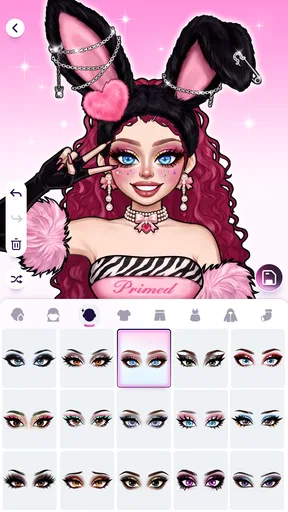


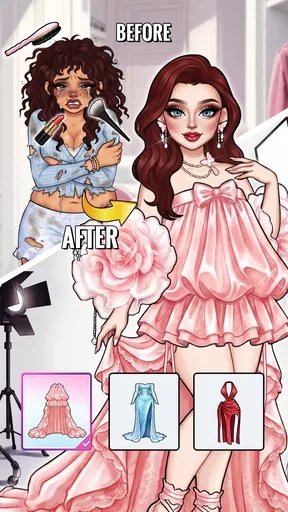
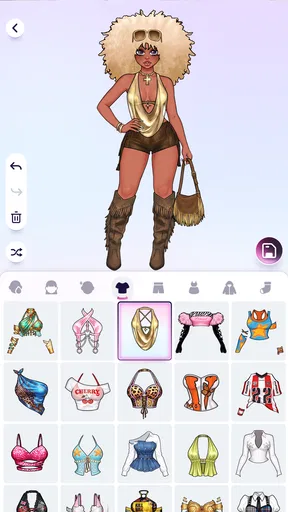
 Analysis by AppCompare
I went into YoYa Star: On Air expecting a quick dress-up game, but its appeal is a little broader: it turns styling into a small stage performance. The basic idea is easy to understand immediately. You prepare a look, step into the spotlight, and try to make the result feel worthy of a star moment. That simplicity is exactly why it works well for short visits.
As a casual game from YoYa World, it feels aimed at players who want something light rather than a demanding competition. I never felt pressured to learn a complicated control scheme before enjoying it. The presentation is colorful and playful, and the “go live” theme gives the familiar dress-up format a clearer purpose than simply changing clothes in a wardrobe.
The game is free to start and suitable for Everyone, which makes it easy to recommend for families or younger players who enjoy character customization. It does include optional purchases ranging from $1.99 to $19.99 per item, so I would keep that in mind before handing the device to a child. The current version is 1.2 and runs on Android 7.0 or later, making it accessible on many older devices as well as newer phones.
How the short-session rhythm feels
The strongest part of the experience is how quickly it gets to the fun. I do not need to set aside a long block of time to feel that I have accomplished something. A short visit can be used to create a look, make a stage-ready choice, and move on. That makes it a natural fit for a commute, a waiting room, or the few minutes before bed when I want an activity that asks very little from me.
There is also a useful difference between a game that is merely short and one that is easy to resume. This one belongs more to the second group. Its central loop is understandable enough that I can return after a break without remembering a complicated quest, a long chain of objectives, or a detailed strategy. The stage theme gives each visit a simple question: what kind of star do I want to present this time?
I found that clarity more valuable than it may sound. Many casual games fill short sessions with timers, energy limits, pop-ups, or several currencies competing for attention. YoYa Star: On Air is more appealing when it keeps the focus on the visual decision in front of me. I can spend a few minutes experimenting instead of first working out what the game wants me to do.
That does not mean every session feels equally satisfying. Dress-up games depend heavily on how much the player enjoys making visual choices. If you prefer puzzles with a clear correct answer, fast arcade action, or a strong story, the relaxed pace may seem too thin. The fun comes from personal taste and presentation rather than from mastering a difficult system.
Worth Reading Before You Choose

EA SPORTS FC Mobile 26 Is a Bigger Football Game, but It Takes Time

Flipboard Shows What News Apps Must Do Beyond the Feed

Switching to Android Auto Means Rethinking Your Driving Routine

Google Calendar Makes a Crowded Week Easier to Manage

Ludo King Makes the Most of the Minutes Between Plans

Baby Panda World Brings Quick Play to Modern Phones, but Its Game Library Feels Busy
Why the stage setting matters
The live-performance framing gives the customization a useful emotional lift. Choosing an outfit feels less like sorting through a closet and more like preparing someone for a public appearance. Even without treating every decision as a serious contest, I found myself thinking about whether a look felt polished, dramatic, cute, or deliberately unusual.
That framing also creates a practical way to play with themes. Instead of changing items randomly, I can decide on a concept first and then build around it. For example, I might begin with a bright, energetic performer and choose the rest of the look to support that mood. On another visit, I can aim for something calmer or more theatrical. This simple habit makes the game feel less repetitive than tapping through choices without a plan.
My best advice is to treat each session as a tiny styling challenge. Pick one idea before opening the wardrobe, then stop once the character communicates it clearly. This prevents endless tweaking and makes the result easier to judge. It also helps players who feel overwhelmed by too many cosmetic choices, because they are no longer trying to create the perfect look from everything at once.
What happens when I need to pause
This is where the game suits casual players particularly well. Real phone use is full of interruptions. A message arrives, someone needs your attention, or you simply have to put the device down. A game built around compact decisions is much easier to fit into that reality than one that expects uninterrupted concentration.
I would still approach it with the normal caution I use for any game involving a live-feeling sequence: finish a visible choice before switching away, especially if you are in the middle of an important presentation. The safest rhythm is to make one decision at a time and treat each completed look as a natural stopping point. That way, even an unexpected interruption does not make the whole visit feel wasted.
For children, this pause-friendly structure can be helpful because it does not demand a long commitment every time. Parents may appreciate that the game can be used in brief periods, but the purchase options deserve attention. I would check the device’s purchase protections before allowing independent play, particularly because cosmetic games can make optional items feel tempting after a player has become invested in a character.
The free entry point is another reason the game is easy to test. I can see whether the styling loop holds my interest before spending anything. My recommendation is to play several short sessions first rather than buying immediately. The important question is not whether the opening is attractive; it is whether I still enjoy inventing looks when the initial novelty has settled.
Replay value comes from choices, not pressure
The replay value is personal and creative. I return because I want to try another presentation, not because the game forces me through a demanding schedule. That is a good match for players who enjoy collecting visual combinations in their own head and refining a character’s identity over time.
One approach that improved my sessions was to keep a small mental rotation of styles. I might create a bright stage outfit first, then a more understated one, then something built around a single standout detail. This gives each return a different purpose. It also exposes a limitation: if you do not enjoy self-directed experimentation, the loop can begin to feel like repeating the same activity with different decoration.
Compared with a typical dress-up app, the stage concept gives the choices more context. Compared with a competitive fashion game, it feels less intimidating and easier to play casually. Compared with a story-driven character game, it offers less narrative motivation and more immediate visual play. Those differences matter when choosing what to install. I would choose this over a more demanding fashion title when I want quick creative control, but I would choose a story game when I want characters and plot to carry the experience.
The game is also different from action-oriented casual alternatives. There is no reason to expect the same burst of tension as a reflex game or the same satisfaction as solving a compact puzzle. Its reward is quieter: I make a visual decision, see the character as a performer, and decide whether the overall impression works. That can be surprisingly pleasant, but only if that kind of reward is what I am looking for.
Small habits that make the game better
The first useful habit is to build around a focal point. Choose the item or visual idea that should attract attention, then let the rest of the outfit support it. When every part tries to be the star, the result can feel noisy. This is not a rule enforced by the game; it is a way I found to make the creative process more satisfying.
The second is to compare finished looks rather than endlessly editing one. Once a presentation feels complete, remember what worked and begin a fresh variation. This turns replay into a series of experiments. It is more rewarding than making tiny changes forever because each new attempt has a clear identity.
The third is to use the short-session nature deliberately. Instead of opening the game whenever you are bored and making random selections, give each visit a small purpose: create a look for a particular mood, test a different level of boldness, or revisit an idea that did not work earlier. This approach gives the game more depth without pretending it is a complex simulation.
A fourth consideration is device sharing. Since the game is rated for Everyone and can appeal to younger players, different people may use the same phone or tablet. I would make sure each player understands that purchases are optional and that a free session can still be enjoyable. That conversation matters more here than squeezing maximum progress from every visit.
Where the experience may lose momentum
The main weakness is the same quality that makes the game approachable: the loop is deliberately light. Players who need constant unlocks, escalating challenges, or a strong sense of progression may run out of reasons to return. The stage setting adds personality, but it does not automatically create endless variety.
There is also a risk of cosmetic fatigue. If the satisfaction of a new look depends mostly on the available choices, the experience can feel less fresh once I have explored my favorite combinations. Optional purchases may extend the appeal for some players, but I would not treat spending as a substitute for replay value. If the basic creative loop is not enjoyable on its own, adding more items will not fix that problem.
The game is not my first recommendation for someone seeking a serious fashion challenge. A more competitive alternative may offer clearer scoring, stronger goals, or more pressure to improve. It is also not ideal for players who dislike customization because there is no obvious reason to stay if choosing outfits feels like work rather than play.
On the other hand, the lack of heavy commitment is a genuine advantage. I do not need to memorize systems or maintain a long routine to enjoy a visit. That makes it more forgiving than many games that punish missed days or demand regular attention. For a casual audience, that trade-off is sensible.
What the published numbers suggest in context
The game has an average rating of 4.5 from around 400 ratings, with about 25 written reviews. That is a positive early signal, although I would read it as encouragement to try rather than proof that every player will find the loop deep. Its install count is over 50K, which places it in the range of a smaller casual release rather than an enormous mainstream game.
Those figures fit my impression of the product: it feels like an approachable, focused game that can appeal strongly to the right audience. The developer, YoYa World, has centered the experience on a clear identity instead of trying to make it a broad all-purpose game. That focus is helpful when you want dress-up and stage presentation, but it also means the title should not be judged by the standards of a puzzle collection or a large role-playing game.
The release date listed for it is August 4, 2026, and the current version is 1.2. For anyone considering installation, the practical checks are straightforward: confirm that the device uses Android 7.0 or newer, decide whether the free version offers enough variety for your needs, and set purchase controls if a child will play. Those steps tell you more than the rating alone.
Who should install it
I would recommend it to players who enjoy dress-up, colorful character presentation, and games that can be enjoyed in brief bursts. It is especially suitable for someone who likes making a visual concept and seeing whether it feels stage-ready without facing a complicated ruleset.
It can also work well as a shared casual activity. A parent and child, or two friends using the same device, can take turns proposing a style and comparing the results. The game does not need to become a formal contest; the fun can come from seeing how differently two people interpret the same performance idea.
I would skip it if you want deep progression, demanding gameplay, or a story that keeps unfolding. I would also skip it if optional purchases are likely to create conflict and you do not want to adjust device settings. Since the core appeal is cosmetic experimentation, anyone uninterested in styling will probably find better value in another casual category.
For me, the deciding factor is the kind of break I want. If I have five minutes and want to solve something, I choose a puzzle. If I want quick excitement, I choose an action game. If I want to relax by making a character look ready for the spotlight, this is where YoYa Star: On Air makes sense.
My final take on the casual experience
After spending time with it, I see YoYa Star: On Air as a pleasant short-session game rather than a title designed to occupy every spare hour. Its best quality is immediate accessibility: I can understand the premise quickly, make a creative choice, and leave without feeling that I abandoned a complicated task.
The stage theme gives ordinary dress-up a little more direction, while the free starting point makes experimentation low-risk. I appreciate that it is suitable for Everyone and works with Android 7.0 or later, but I would still pay attention to the optional item prices of $1.99 to $19.99 and use purchase safeguards where appropriate.
My honest recommendation is to try it when you want relaxed visual creativity, not when you need deep challenge. The replay value depends on your willingness to invent new looks, and that is both its charm and its boundary. For the right player, it is an easy game to pick up, pause, and revisit. For anyone searching for intense competition or a long-form adventure, a different option will be the better fit.
Pros
- Bright
- colorful visuals appeal to younger players.
- Character customization offers plenty of creative combinations.
- Simple controls make it easy for children to play.
- Short activities are suitable for quick play sessions.
- The playful theme encourages imaginative storytelling.
Cons
- Some content may feel repetitive after extended play.
- The interface can be overwhelming for first-time players.
- Younger children may need help navigating certain menus.
- Limited challenge may not satisfy experienced gamers.
- Device storage use can increase with downloaded content.
FAQs for YoYa Star: On Air
What is YoYa Star: On Air?
YoYa Star: On Air is a creative social and role-playing game where you can design characters, choose outfits, decorate spaces, and create scenes inspired by entertainment and everyday life. It focuses on customization and storytelling rather than traditional combat. After exploring the available locations and items, players can build their own visual scenarios, interact with characters, and share their creations through the game’s social features.
Is YoYa Star: On Air free to download and play?
The game can generally be downloaded for free, allowing players to access its basic content without paying at the start. However, some outfits, decorations, characters, or other premium resources may require in-app purchases. Optional advertising may also be included, depending on the version and device. Before downloading, parents and players should review the store listing and purchase settings to understand what content is available for free.
Can children play YoYa Star: On Air safely?
YoYa Star: On Air has a colorful, cartoon-style presentation and is designed around fashion, customization, and imaginative play, which can make it appealing to younger users. Nevertheless, parents should check the recommended age rating, advertising, in-app purchases, and any online or sharing functions available in their region. Using device-level parental controls and disabling unauthorized purchases is advisable, especially when children play independently.
Does YoYa Star: On Air require an internet connection?
Some parts of YoYa Star: On Air may work without a constant connection, particularly basic character customization or previously loaded content. However, internet access can be necessary for downloading updates, loading advertisements, accessing online features, synchronizing progress, or using sharing options. The exact offline functionality may vary by device and game version, so players should test the app after installation rather than assuming every feature will work without Wi-Fi or mobile data.
What devices are compatible with YoYa Star: On Air?
YoYa Star: On Air is available for supported Android and iOS devices through their official app stores, but compatibility can depend on the operating system version, available storage, memory, and regional availability. Because the game includes detailed characters, scenes, and visual assets, older phones or tablets may experience slower loading, reduced performance, or crashes. Checking the current store requirements and keeping enough free storage is recommended before installation.


